
The Three-Part Formula for Fast Weeknight Dinners
A dependable dinner does not require a recipe, just three basic elements pulled together in a hot pan.
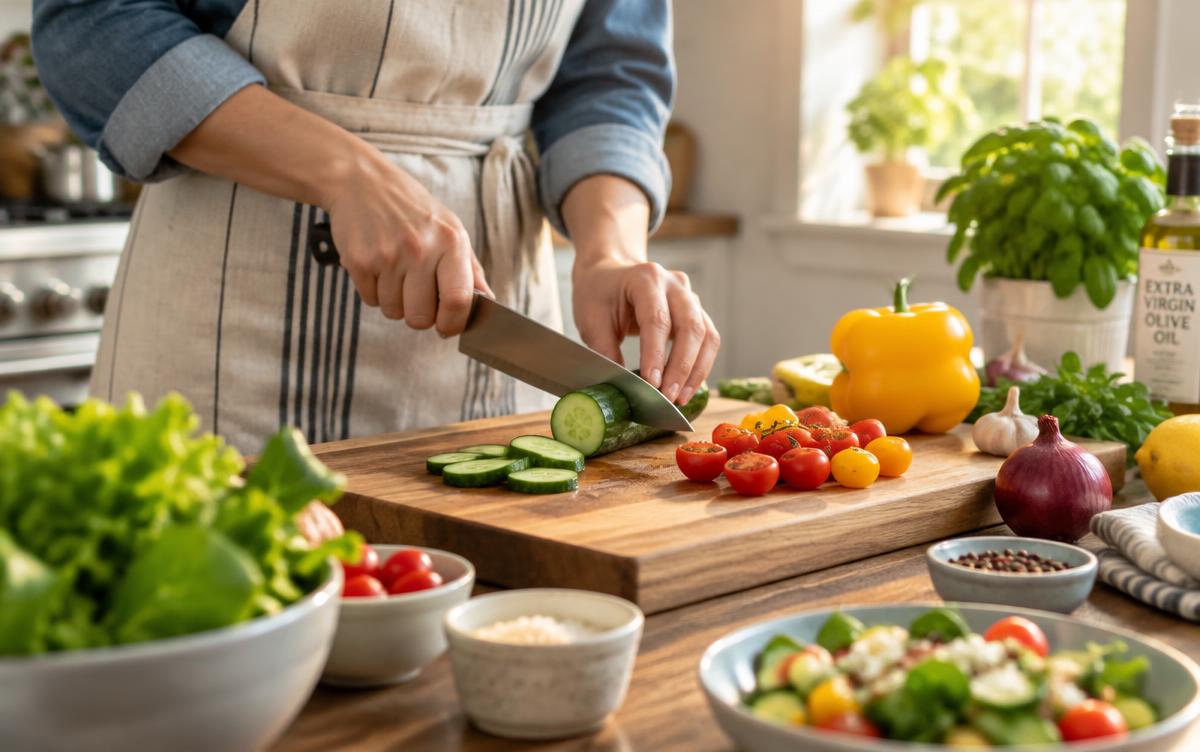
The hardest part of weeknight cooking is rarely the physical act of cutting an onion or heating a skillet. It is the mental friction of deciding what to make when your brain is already spent from the day. When you open the refrigerator hoping for a complete meal to reveal itself, the silence can be paralyzing. The secret to getting good food on the table in twenty minutes is not following a thirty-step recipe. It is learning to rely on a reliable formula that works with whatever happens to be sitting on your shelves.
Anchor the plate with a quick foundation
Every fast meal needs somewhere to land. If you try to build a dinner purely out of vegetables or standalone proteins, it often feels incomplete, leaving you searching the pantry an hour later. A good base provides bulk and carries seasoning, and it does not need forty minutes of simmering to exist.
Consider bases that cook in under ten minutes or require nothing more than boiling water. Thin noodles, couscous, and quick-cooking polenta are steady options that ask almost nothing of you. If you have bread, a thick slice toasted in olive oil works just as well. Even a bowl of rinsed greens or a handful of canned beans warmed through with a smashed garlic clove can anchor a meal. The goal is simply to create a stage for the rest of the ingredients.
Let dry heat do the quick work
When time is short, braising and low-and-slow roasting are out of the question. You want methods that transfer heat quickly and build flavor through browning. A hot cast iron skillet or a rimmed sheet pan under a high broiler can do in eight minutes what an oven bake takes half an hour to achieve.
Cut your vegetables and proteins into smaller, uniform pieces so they cook through rapidly. Thin strips of cabbage, sliced mushrooms, and coin-cut sausages will char and soften in the time it takes to boil water. Give them space in the pan so they sear rather than steam. Browning creates complexity without requiring long cooking times or complicated spice blends, turning basic produce into something that tastes intentional.
Embrace the mix of hot and raw
One common trap on busy nights is feeling that every single component must be cooked from scratch. Trying to manage three different pans simultaneously produces stress and dirty dishes. Instead, let hot elements share the plate with things that require no heat at all.
A bowl of warm, seared vegetables feels substantially fresher when topped with raw, crisp radishes, torn herbs, or thinly sliced scallions. Pairing hot ground meat or crisped tofu with cold pickled cucumbers creates a temperature and texture contrast that feels thoughtful rather than rushed. Raw ingredients bring crunch and brightness that heavy heat often washes out, and they shave ten minutes off your stove time.
Tie the meal together with acid and fat
A collection of warm ingredients is just a pile of food until you dress it. The glue that turns disparate items into a unified dinner is almost always a finishing splash of acid and good fat. This step takes fifteen seconds, but it does more work than fifteen minutes of extra cooking.
Keep a short roster of simple finishers within arm's reach of your cutting board. A spoonful of chili crisp, a dollop of salted whole-milk yogurt, a splash of red wine vinegar, or half a lemon squeezed directly over the hot pan will wake up everything it touches. Fat carries aroma, while acid balances richness. When a meal tastes flat, it almost never needs more cooking time. It simply needs salt and a squeeze of citrus.
Treat cleanup as part of the rhythm
Nothing ruins the satisfaction of a twenty-minute meal quite like walking back into a destroyed kitchen after eating. Fast cooking only feels truly fast if the aftermath does not steal the rest of your evening.
Use the brief pockets of downtime while oil heats or water comes to a boil to wipe the counter, put ingredients away, and rinse your cutting board. Restricting your cooking to a single cutting surface and one primary pan keeps the footprint small. By the time your food hits the bowl, the stove should be off and the sink should be mostly clear.
Cooking well during the week is less about culinary ambition and more about momentum. When you stop chasing complex instructions and start combining a dependable base, quick-seared components, and a bright finish, dinner stops feeling like a chore and starts feeling like an easy, routine habit.