

Why Dinner Takes Longer Than It Should
A few small shifts in your kitchen sequence can turn weeknight dinner from a slow chore into a twenty-minute habit.
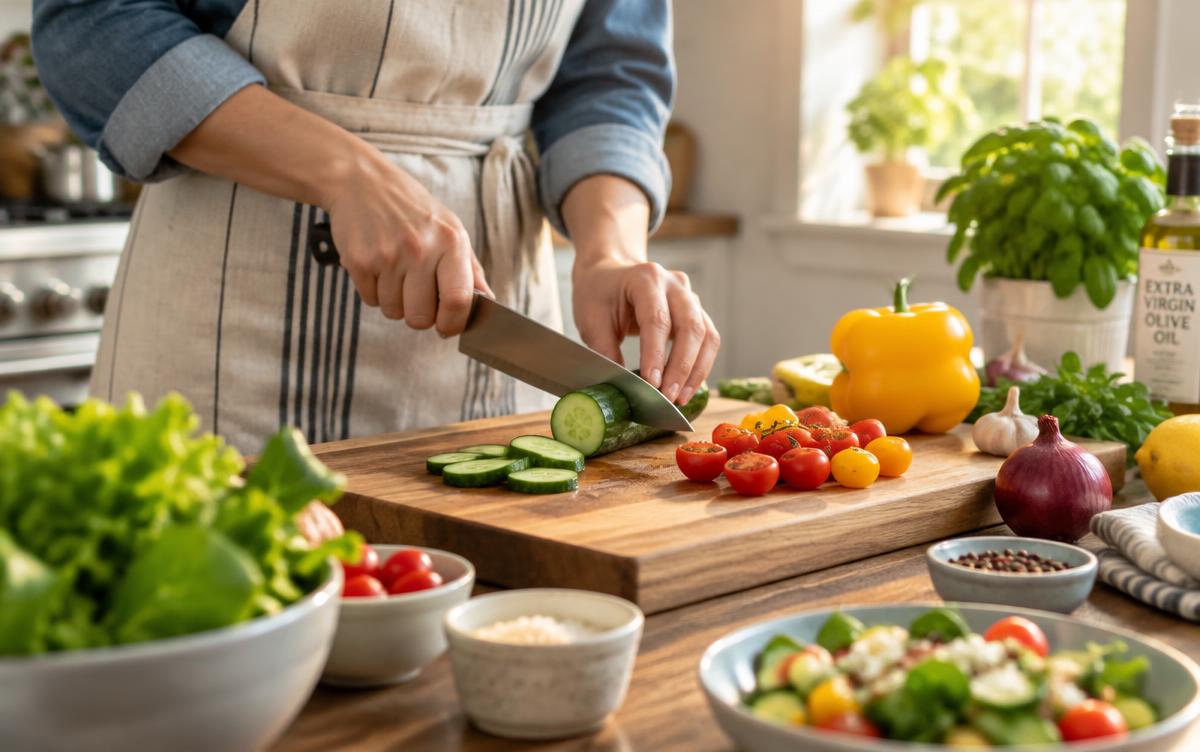
Most people assume dinner takes too long because chopping is slow or recipes are complicated. In reality, the bottleneck usually happens before the first onion is diced. When you walk into the kitchen tired, stare into the refrigerator, and wait for inspiration while a cold skillet sits on the stove, you lose ten to fifteen minutes before the cooking even starts. Trimming that time down is not about moving your hands faster with a knife. It comes down to sequencing your steps so the heat does the waiting, not you.
Turn On the Heat Before Touching the Knife
The biggest time sink in home cooking is dead time. If you wait until all your vegetables are peeled, diced, and neatly arranged in bowls before turning on the burner, you add ten minutes of waiting for water to boil, cast iron to heat up, or an oven to reach temperature.
Before you pull out the cutting board, turn on the appliance you plan to use. If you are roasting, set the oven to four hundred degrees. If you are searing chicken thighs or sauteing vegetables, set your pan over medium heat with a film of oil. By the time you finish slicing the first ingredient, the pan is hot and ready to cook it. Your kitchen becomes an active line rather than a series of stops and starts.
Group Ingredients by the Order They Cook
Restaurant chefs keep their prep organized by dish, but at home on a Tuesday, dividing every component into separate ramekins creates unnecessary dishes and wasted motion. Instead, group your ingredients directly on the cutting board based on when they hit the pan.
Firm aromatics like onions, carrots, and celery go into one pile because they take five to seven minutes to soften. Delicate ingredients like garlic, ginger, and scallion whites form a second, smaller pile because they burn if left alone for more than sixty seconds. Leafy greens or fresh herbs sit off to the side to fold in at the very end. Once you start slicing, slide each group to its own corner of the board. You can push them straight into the hot oil in waves without stopping to measure.
Rely on Liquid to Build Instant Sauces
Many weeknight meals feel dry or unfinished because making a separate sauce feels like an extra project. You do not need a blender, a saucepan, or thirty minutes of simmering to get flavor that coats your food.
Instead, use the residual heat and browned bits stuck to the bottom of your pan. Once your protein or vegetables finish cooking, remove them to a plate and keep the pan on the flame. Pour in a splash of water, stock, wine, or vinegar to lift the flavorful crust from the bottom. Swirl in a spoonful of butter, mustard, or yogurt, and you have a finished pan sauce in under two minutes. It costs zero extra prep time and leaves you with only one pan to wash.
Use Passive Windows to Clean Up
A dinner that takes twenty minutes to cook can still ruin your evening if it leaves behind forty minutes of washing up. The solution is treating unattended cooking time as cleaning time.
Almost every meal has a window where you should not touch the food. A steak needs four minutes undisturbed to develop a crust. Grains need ten minutes to absorb water under a lid. Use those exact windows to rinse your knife, wipe down the cutting board, and return condiments to the refrigerator. If you clean while the pan works, dinner ends with a clear counter and one warm skillet to rinse after you eat.
Strip Down the Side Dishes
A meal often stretches from a quick thirty-minute affair into an hour-long ordeal because of the sides. Trying to time roasted potatoes, a complex grain, and a multi-step vegetable alongside your main protein divides your attention and multiplies your cookware.
Keep the sides effortless. A handful of arugula tossed with olive oil and lemon juice takes thirty seconds and cuts through a rich protein better than a heavy cooked vegetable. A slice of crusty bread or leftover rice reheated directly in the pan juices rounds out a meal without a separate timer.
Quick cooking is not a matter of talent or rushing. It is simply about matching your actions to the rhythm of the stove, moving through each step with intention, and letting simple ingredients do their work without getting in their own way.