
Better Second-Day Meals from What You Already Cooked
Practical formats to assemble quick, satisfying meals out of cold containers and leftover odds and ends.
Most people who dislike leftovers are actually reacting to the reheating process. Microwaved chicken breast dries out, cold roasted vegetables turn limp, and starch loses its texture overnight. The fix is not to reheat the meal as it was, but to treat yesterday's components as prep work for something structurally different. When you look at cold containers as cooked ingredients rather than finished dishes, putting dinner together takes ten minutes and feels like cooking fresh.
The Cast-Iron Skillet Hash
A skillet hash works because high, dry heat restores texture that refrigeration strips away. If you have roasted potatoes, sweet potatoes, root vegetables, or a cup of cold protein, a cast-iron skillet transforms them in minutes. Cut everything into uniform bite-sized pieces so they cook evenly.
Get the pan hot with a generous splash of olive oil or butter before adding the cold food. Spread the ingredients in a single layer and leave them alone for three to four minutes. The biggest mistake is stirring too early, which creates steam instead of a crust. Once the bottom is crisp and deeply browned, toss everything, crack an egg directly on top or into a cleared space in the middle, and cover the pan until the whites set. Finish with a handful of fresh herbs or a shake of hot sauce.
The Hot Broth Bowl
Cold grains and cooked meats often dry out in the fridge, but plunging them into hot liquid revives them almost instantly. This approach requires very little active cooking and accepts almost any combination of leftovers.
Bring two cups of stock, dashi, or water seasoned with miso or soy sauce to a gentle simmer. In a deep bowl, arrange your cold cooked rice, noodles, shredded pork, or poached chicken. Add a handful of raw baby greens, thinly sliced scallions, or leftover steamed vegetables. Ladle the boiling broth directly over the cold food. The heat of the broth warms the protein and grains through without overcooking them, while wilting the greens just enough. A drizzle of toasted sesame oil or chili crisp brings the whole bowl together.
Flatbreads, Tacos, and Fold-Overs
Wrapping cold food in a warm, toasted starch immediately changes how it eats. Tortillas, pita, and flatbreads act as neutral foundations that can carry almost any seasoned protein or vegetable.
Shred cold roasted beef, chicken, or braised beans and warm them quickly in a dry pan with a squeeze of lime or a splash of water to loosen the juices. Toast your flatbread over an open burner or in a hot dry skillet so it becomes pliable and fragrant. The key to making this feel like a fresh meal rather than warmed-over food is adding raw texture and acidity. A quick pickle of sliced red onions, a wedge of lime, a spoonful of yogurt, or a handful of shredded cabbage provides the crunch and brightness that refrigerated dishes usually lack.
The Pantry-Clearing Frittata
Eggs are the most reliable binder in the kitchen, capable of turning half-cups of disparate food into a coherent dinner. Cooked pasta, roasted broccoli, sautéed mushrooms, and small nubs of cheese all work inside an open-faced egg dish.
Whisk six eggs with a pinch of salt and a splash of milk or water. Warm your leftover vegetables or pasta in an oven-safe skillet with a little olive oil until they are warm through. Pour the eggs over the top, letting them settle into the gaps between the ingredients. Cook over medium-low heat until the edges begin to pull away from the sides of the pan, then slide the skillet under a hot broiler for three to five minutes until the top puffs and turns golden. Serve it warm or at room temperature alongside a simple green salad.
The High-Acid Grain Salad
Not every leftover needs to be heated. In fact, many grains and sturdy proteins taste better cold if they are tossed in a sharp, assertive vinaigrette.
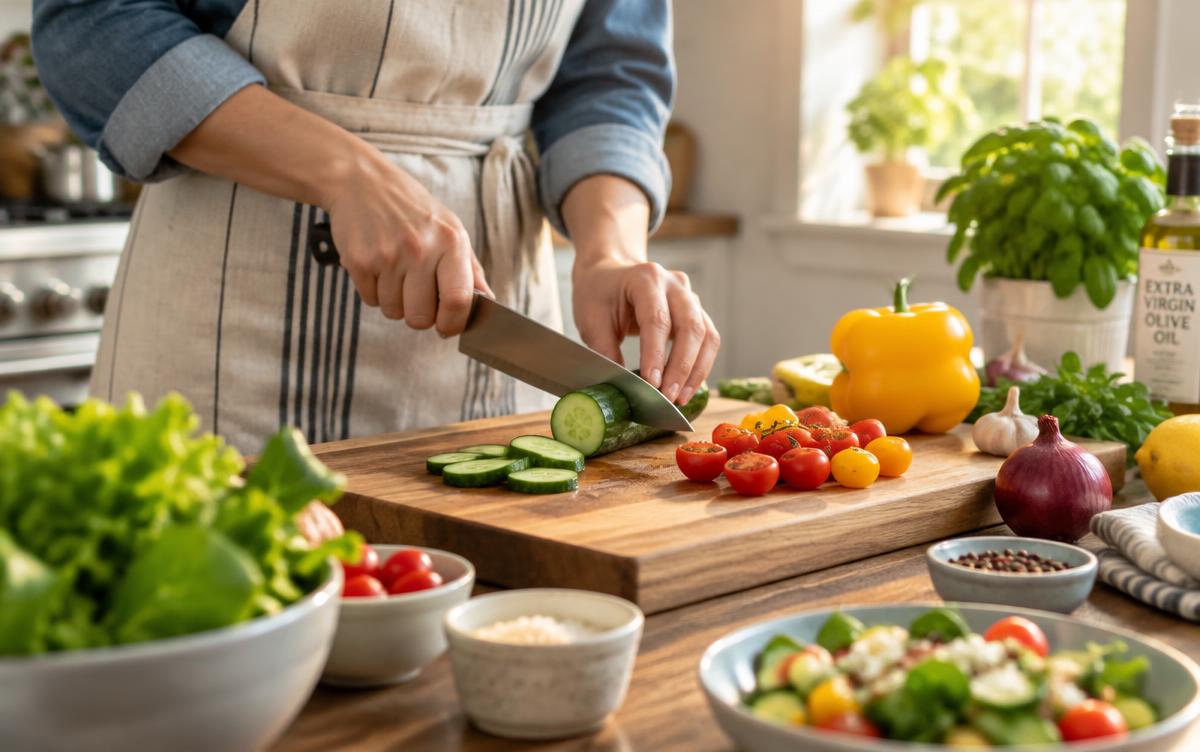
Cold farro, brown rice, or quinoa can clump together in the fridge. To break them up, drizzle them with olive oil, red wine vinegar or lemon juice, and a pinch of flaky salt, then toss gently with a fork. Fold in diced cold chicken, roasted squash, or chickpeas. To balance the soft textures, add ingredients with distinct bite: chopped toasted nuts, diced cucumbers, crumbled feta, or halved cherry tomatoes. Because grains absorb liquid as they sit, be more generous with the acid than you would be with a leafy green salad.
Cooking this way changes how you shop and prep throughout the week. Instead of worrying about precise portion sizes, you can cook extra with the confidence that tomorrow night's dinner is already halfway finished.