

Cooking from the Back of the Fridge Forward
Practical strategies for turning forgotten odds and ends into satisfying, low-stress weeknight meals.
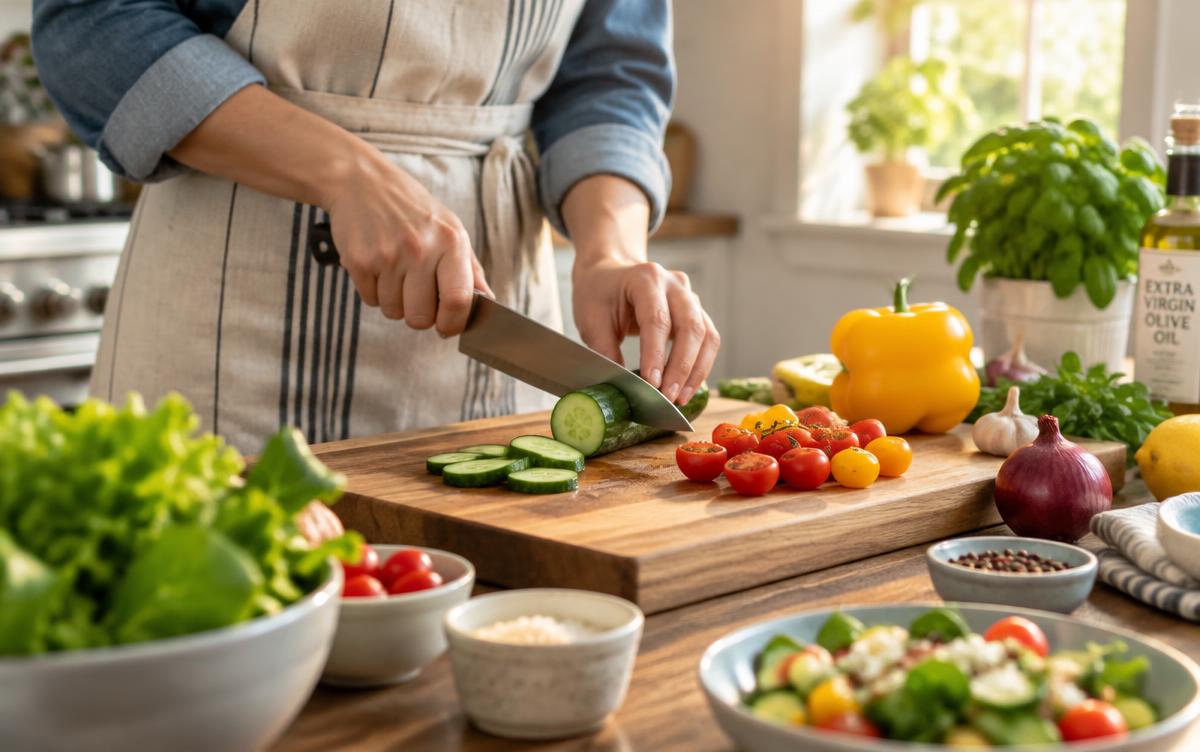
Most food waste does not happen because people are careless. It happens because dinner has to be decided after a long workday, when energy is low and the crisper drawer feels like a puzzle with missing pieces. You look past the half-bunch of scallions and the opened tub of sour cream, decide there is nothing to eat, and order takeout instead. Over time, those ignored ingredients add up to real money and real waste. Learning to reduce that waste rarely requires heroic meal planning. It mostly requires a slight shift in how you look at the food already in front of you.
The Myth of the Complete Recipe
The quickest path to food waste is believing that every dinner requires a rigid set of ingredients. Many home cooks abandon an idea because they are missing one specific herb, a particular cheese, or the exact cut of meat called for in a recipe. In reality, most everyday meals are formulas rather than formulas in stone. A stir-fry is simply a protein, a couple of vegetables that hold their crunch, and a savory sauce. A frittata is eggs, a splash of dairy, and whatever cooked vegetables you have left from yesterday. When you view recipes as frameworks instead of contracts, odd remainders stop looking like scraps and start looking like dinner.
Build a Roster of Catch-All Meals
Every practical cook needs three or four reliable meals that exist purely to clear the fridge. Fried rice, grain bowls, frittatas, and basic vegetable soups are the workhorses of a low-waste kitchen. They do not demand precise ratios, and they gladly welcome mismatched ingredients. Half a bell pepper, a handful of wilting spinach, and two cooked sausages can easily become a filling hash. The secret is to chop everything to roughly the same size so it cooks evenly, and to use salt, acid, and heat to tie disparate flavors together.
Reviving Ingredients Past Their Prime
There is a wide, safe territory between peak freshness and outright spoilage. Herbs that have lost their spring can be chopped finely and stirred into softened butter, olive oil, or Greek yogurt for an instant sauce. Carrots and celery that have turned bendable will crisp up after thirty minutes in a bowl of ice water. If a vegetable is too soft for a raw salad, it is almost certainly perfect for high-heat roasting or a quick sauté. Roasting caramelizes sugars and hides cosmetic flaws, turning tired roots and brassicas into something deeply flavorful.
Treat Condiments as Cooking Bases
Open jars taking up real estate on refrigerator door shelves are some of the most overlooked resources in the kitchen. A tablespoon of Dijon mustard left at the bottom of the jar is the base for an emulsified vinaigrette; add olive oil and vinegar directly to the jar, shake it vigorously, and use it over bitter greens. A smear of tomato paste, half a jar of salsa, or a spoonful of curry paste can flavor braising liquid, enrich pan sauces, or lift a pot of dried lentils. Instead of letting condiments linger until they grow mold, treat them as concentrated flavor boosters for everyday cooking.
Give Leftovers a Second Identity
Eating the exact same meal three days in a row can feel like a chore, which is why leftovers often get pushed to the back until they spoil. The solution is reinvention rather than simple reheating. Roasted chicken from Sunday night can be shredded into chicken salad on Monday or folded into a quesadilla with pickled jalapeños on Tuesday. Cooked rice becomes the base for crispy rice cakes topped with a fried egg. By changing the texture or adding a single fresh element—like a squeeze of lime or a handful of fresh herbs—yesterday’s dinner becomes an entirely new meal.
Cooking this way builds real kitchen confidence. It turns dinner from a task governed by grocery lists into a quiet, creative habit of making good food from whatever is at hand.