
Eating Well on a Real-Life Budget
Nutritious, satisfying meals do not require an expensive grocery run, just a shift in how you shop and cook.
Cooking good food at home often feels like a balancing act between health, taste, and the grocery receipt. When prices rise, fresh produce and quality proteins are often the first items people cut back on, assuming that eating well is an unaffordable luxury. In reality, some of the most flavorful and nourishing cooking traditions across the globe were built on humble, low-cost ingredients. Eating well on a budget is less about extreme couponing and more about understanding how to extract maximum flavor and nutrition from what you buy.
Build around versatile staples
Grains, legumes, and hearty vegetables are the backbone of affordable cooking. Dried lentils, canned chickpeas, brown rice, rolled oats, and cabbage cost very little per serving, yet they provide substantial fiber, minerals, and staying power. Cabbage, for example, lasts for weeks in the crisper drawer, works raw in slaws, holds up in stir-fries, and caramelizes beautifully when roasted into wedges. When you stock your kitchen with workhorse ingredients rather than specialty items tied to a single dish, your cost per meal drops dramatically without sacrificing substance.
Shop your kitchen first
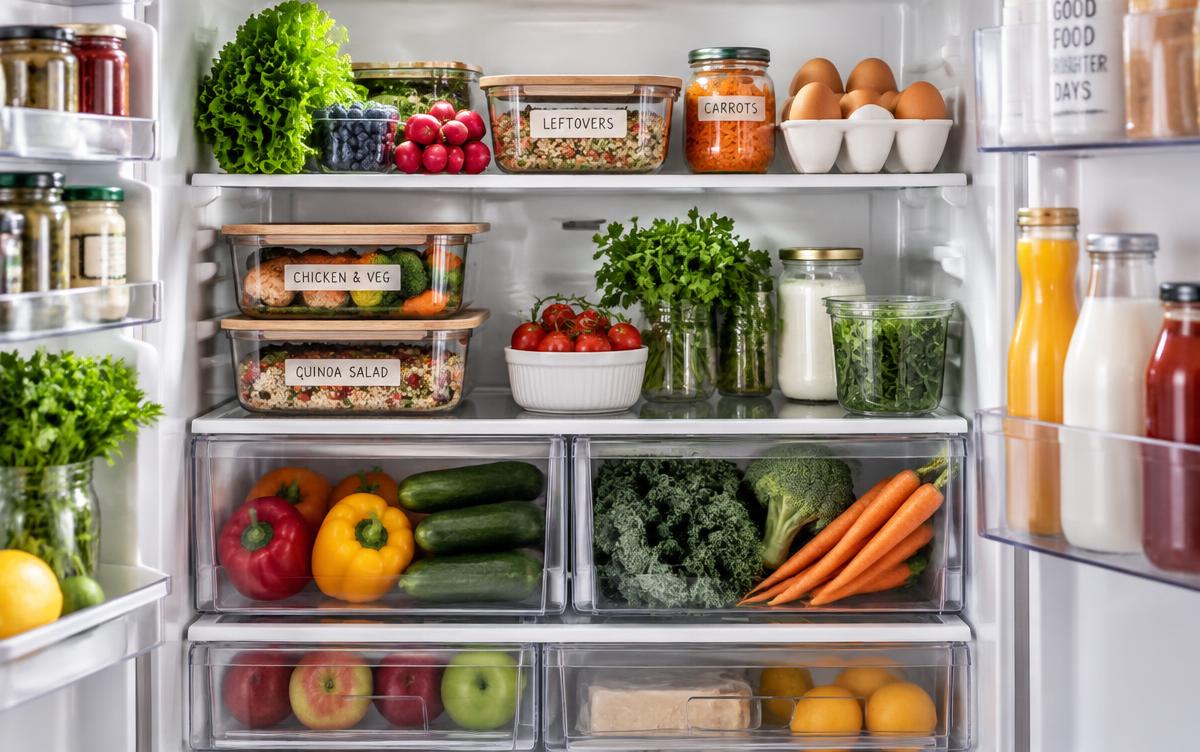
The most expensive meal is often the one you bought ingredients for while forgetting what you already had at home. Before writing a grocery list, take five minutes to inspect the refrigerator door, the freezer, and the back corners of the pantry. Half a jar of marinara, a cup of frozen peas, and that half-used bag of farro can become an impromptu baked grain dish with almost no additional cost. When you get into the habit of planning around what needs to be used first, your trips to the store become smaller, targeted restocks rather than blind, cart-filling expeditions.
Treat meat as an accent
Animal proteins tend to claim the largest share of any grocery bill. You do not have to become a strict vegetarian to see meaningful savings, but shifting the ratio on your plate makes an immediate difference. Instead of building dinner around an eight-ounce steak or chicken breast, use meat to flavor a dish rich in vegetables and grains. Two chicken thighs can season a pot of soup that feeds four people. A single spicy sausage crumbled into white beans and wilted greens provides plenty of richness without driving up the total price.
Master a few forgiving sauces
Plain rice, steamed greens, and poached eggs might sound austere on paper, but a vibrant sauce transforms them into dinner you actually look forward to eating. Learning to make two or three basic dressings from shelf-stable ingredients is the easiest way to elevate inexpensive cooking. A quick peanut sauce made with pantry staples, a bright herb chimichurri using leftover greens, or a simple garlic-yogurt drizzle cost pennies to throw together. When you have high-impact flavor in a jar, simple boiled potatoes or lentils suddenly taste intentional.
Cook components, not rigid recipes
Following rigid recipes often demands buying small amounts of uncommon ingredients that end up lingering until they spoil. A more practical approach is component cooking. Roast a sheet pan of whatever root vegetables were on sale, cook a batch of barley or quinoa, and simmer a pot of seasoned black beans. During the week, you can combine these pieces in different ways: as a grain bowl with an egg on Monday, wrapped in a warm tortilla with salsa on Tuesday, and tossed into hot broth for a quick soup on Wednesday. Flexibility is the key to minimizing waste and keeping weeknight meals effortless.
Good food does not depend on expensive labels or exotic ingredients. It comes down to basic kitchen literacy, a willingness to work with what is available, and an appreciation for simple foods cooked well. When you treat budget cooking as a practical craft rather than a restriction, your kitchen becomes both more sustainable and far more satisfying.