
Fixing the Mid-Afternoon Energy Dip
A practical look at how fluids, protein, and pantry snacks keep your focus steady without constant caffeine.
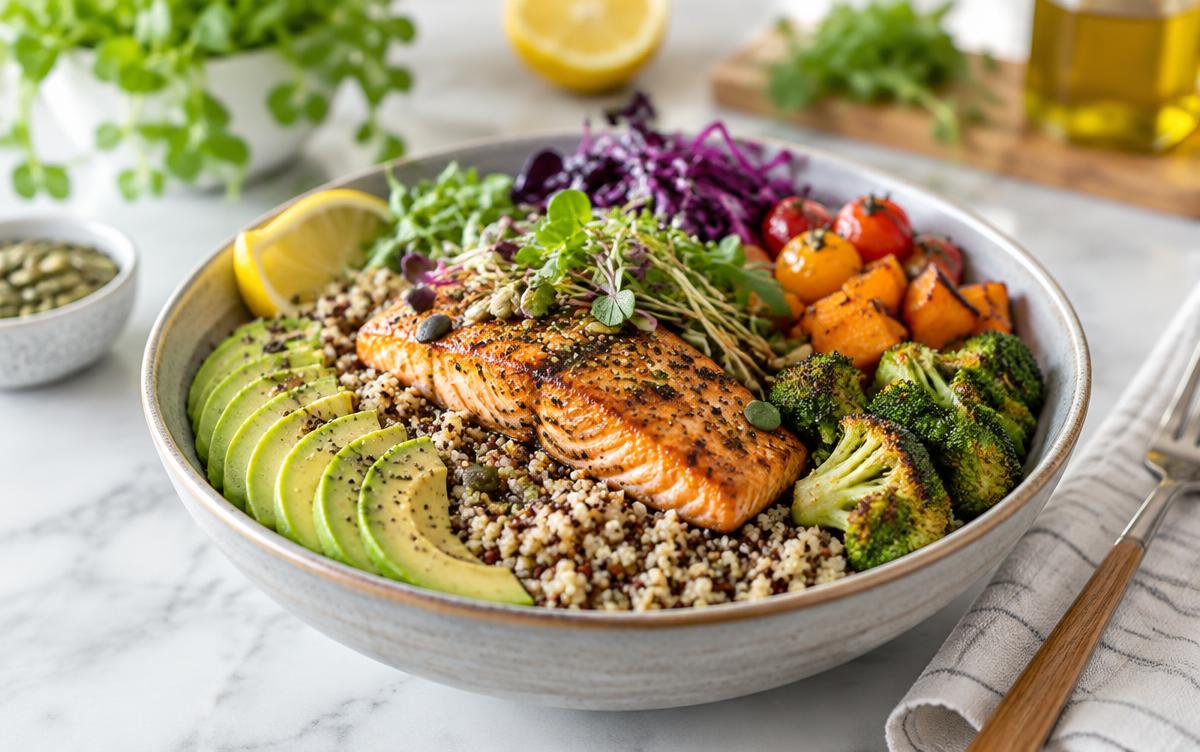
Around two or three in the afternoon, most people experience a familiar shift. The focus that carried you through the morning evaporates, your shoulders drop, and the impulse to track down a second mug of coffee or something sweet becomes hard to ignore. We tend to treat this daily dip as an unavoidable character flaw or a simple lack of sleep, but it is almost always a physical response to how you fueled the preceding six hours. Sustained daily energy is rarely about sheer willpower. It comes down to two quiet, unglamorous mechanics: steady hydration and snacks that balance blood sugar rather than spike it.
The Fluid Problem You Feel as Hunger
The brain is remarkably sensitive to fluid balance, and mild dehydration shows up long before you notice a dry mouth. Losing just one or two percent of your body's water content produces measurable drops in alertness, short-term memory, and mood. Crucially, the brain often misinterprets that low-grade physical drag as hunger or an urge for quick sugar.
Drinking plain water all day can feel like a chore if you are busy, but fluids do not have to come solely from a tall glass. Broths, cold seltzers, herbal teas, and water-dense foods all count. An orange, a bowl of sliced cucumbers with salt, or a crisp apple delivers fluid bound up with fiber and trace minerals, which helps your body absorb the water more gradually than if you chugged a pint at once.
The Trouble with the Solo Carbohydrate
When people need a boost, they usually reach for quick carbohydrates: a handful of pretzels, a granola bar, dried fruit, or crackers. These foods break down into glucose rapidly, giving you an immediate lift followed by an equally swift drop twenty minutes later. That drop triggers another release of hunger signals, locking you into a cycle of grazing that leaves you feeling more depleted than before.
The fix is simple: never let a carbohydrate travel alone. Pair quick energy with either fat or protein, both of which slow down digestion and release fuel into your bloodstream at an even rate. Instead of just an apple, add a thick smear of peanut butter. Instead of plain crackers, add a slice of cheddar or a spoonful of ricotta. Even a small handful of toasted pumpkin seeds eaten alongside fruit changes the metabolic impact of the snack entirely.
Savory Snacks That Work Harder
Most commercial snacks are engineered around sweetness, which primes your palate to expect more sugar. Shifting your default choices toward savory options provides a deeper, more lasting sense of satiety. Salt, fat, and umami signal real nourishment to your appetite centers in a way sugar rarely does.
Look at what is already sitting in your kitchen through a snack-sized lens. A hard-boiled egg sprinkled with flaky salt and black pepper takes two bites and provides six grams of complete protein. A spoonful of Greek yogurt topped with olive oil and za'atar works just as well as sweet yogurt, without the afternoon sugar crash. Tinned sardines or tuna on a piece of toasted sourdough can rescue an afternoon where lunch was too small or eaten too early.
Rethinking the Timing of What You Drink
Caffeine is a useful tool, but relying on it to fix low energy can backfire if your timing is off. Drinking coffee the moment you wake up interferes with your body's natural morning cortisol production, leading to a steeper slump five or six hours later. Pushing your first cup back by sixty to ninety minutes after waking can smooth out your energy curve across the entire day.
When the afternoon dip arrives, try matching every cup of tea or coffee with a glass of water first. If you have been sweating, working on your feet, or sitting in an air-conditioned office that quietly dries out your skin and throat, plain water might not feel satisfying. A pinch of sea salt and a squeeze of lemon in your water can improve both flavor and absorption, giving your cells the electrolytes they need to hold onto fluid.
Building Better Grazing Habits
You do not need expensive boutique snacks to stay sharp until dinner. Most of the best afternoon fuel comes from basic ingredients you likely already keep around: leftover roasted vegetables tossed with a splash of vinegar, a half-can of drained white beans mashed with olive oil and garlic, or a handful of roasted almonds. When you stop looking for a miraculous packaged bar and start treating snacks like miniature, balanced meals, staying energized stops feeling like a daily struggle.
Pay attention to the quiet signals your body sends before total exhaustion sets in. A glass of water taken early, followed by a handful of real food that balances protein with slow-burning fuel, will do more for your 3:00 PM clarity than a third shot of espresso ever could.