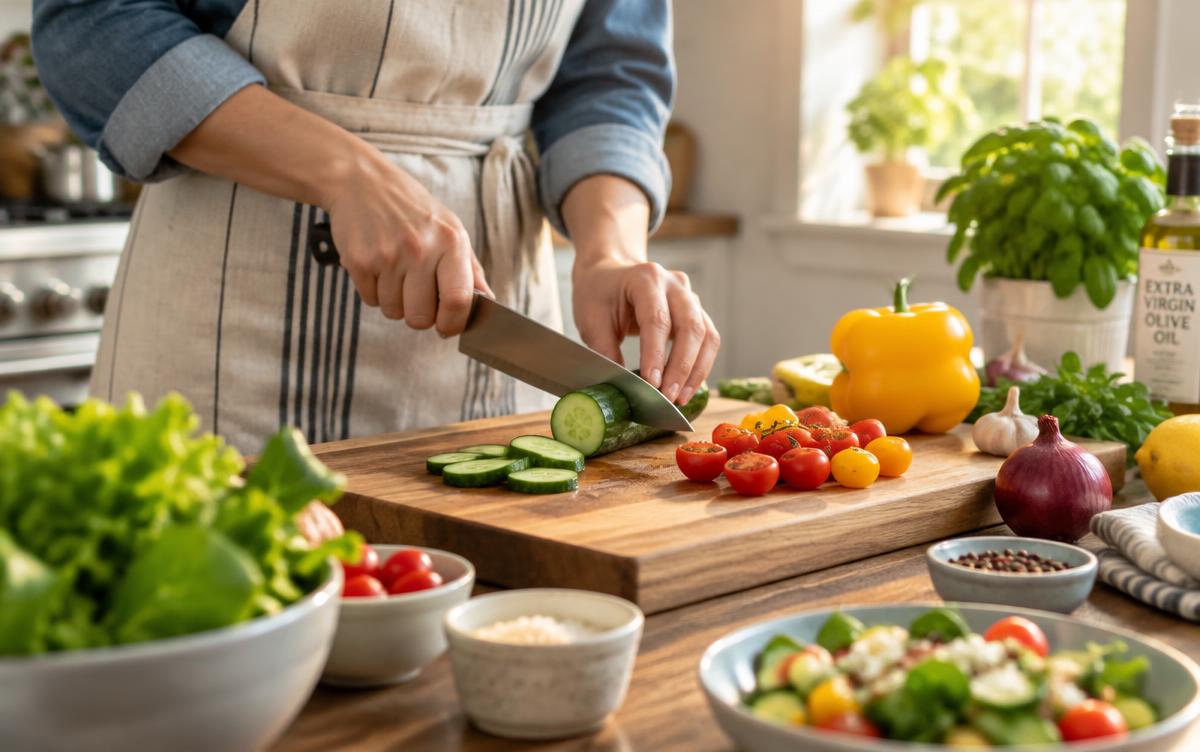

How to Build a Lower-Impact Grocery Cart
Sustainable eating starts at the store, but it rarely looks like buying expensive specialty goods.
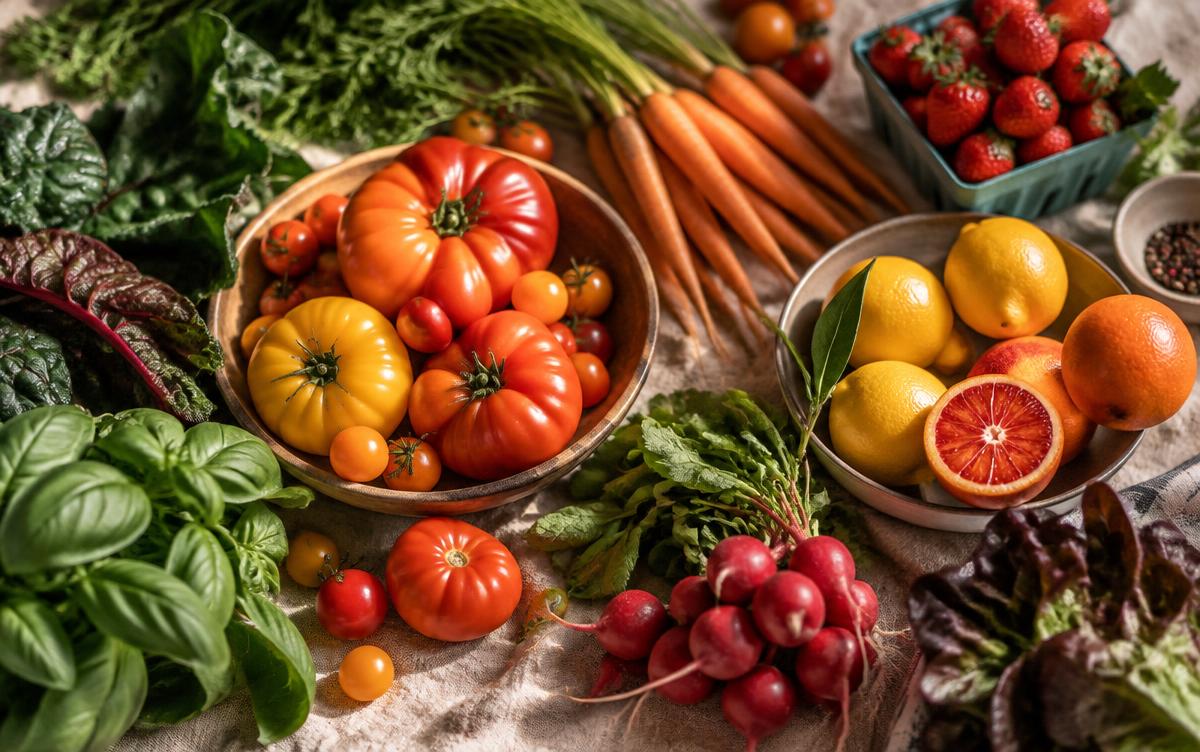
Sustainable eating often gets framed as an all-or-nothing pursuit. The prevailing image is pristine glass jars, farmers markets visited twice a week, and specialty labels that drive up your grocery receipt. For most households, that version of sustainability is neither practical nor affordable. The good news is that the environmental impact of your kitchen is decided by small, routine shopping choices, not by perfection.
When you adjust how you select and handle food at the grocery store, you prevent waste before it enters your home and reduce the resources required to feed yourself well.
Rethink the Packaging Equation
Food packaging serves a real purpose when it extends shelf life and prevents damage in transit, but modern aisles often take it too far. Choosing three loose bell peppers instead of a trio shrink-wrapped on a styrofoam tray is an immediate, low-friction reduction in plastic waste. The same goes for whole herbs versus plastic clamshells, or buying loose bulk grains when your store offers them.
When loose produce is an option, you also gain control over quantity. Buying four carrots rather than a two-pound sealed bag means you only bring home what you can actually consume before it softens. That directly prevents produce waste, which carries a far higher carbon cost than the plastic bag itself.
Shift the Weight of Your Staples
Lowering the footprint of your shopping cart does not require eliminating meat or dairy entirely. It is largely a matter of balance. Foods lower on the food chain—such as dry beans, lentils, whole grains, seeds, and root vegetables—require significantly fewer resources to produce, ship, and store than livestock.
If you treat animal proteins as accents rather than the centerpiece of every meal, your grocery footprint shrinks quickly. Swapping half the ground meat in a chili or pasta sauce with cooked lentils or mushrooms preserves the texture, stretches your budget, and halves the resource impact of that particular dish. It is a steady, quiet adjustment that holds up over months and years.
Match Shelf Life to Your Actual Schedule
One of the most unsustainable shopping habits is loading a cart with delicate, fast-spoiling greens when the week ahead is chaotic. Delicate salad mixes and fresh berries have a tight consumption window. If work runs late or plans change, they often end up in the compost or the bin.
A resilient cart balances delicate produce with hardy workhorses. Pick one or two fast-spoil items that you plan to eat within forty-eight hours, and fill the rest of your produce needs with ingredients that can wait: cabbage, squash, sweet potatoes, citrus, and carrots. If you do not get to a head of cabbage until Thursday, it will still be crisp and ready to cook. Food that actually gets eaten is food that did not waste the energy, water, and fuel used to grow it.
Give Overlooked Produce a Home
Grocery stores toss an immense volume of edible produce simply because shoppers avoid cosmetic irregularities. The lonely banana detached from its bunch is one of the most frequently discarded items in retail grocery, despite being perfectly ripe.
When you pick the odd-shaped apple, grab the single bananas, or buy the slightly bruised bell pepper marked down for quick sale, you directly rescue food that has already completed the most resource-heavy parts of its lifecycle. These small decisions cost nothing extra, often save you money, and pull food back from the brink of the dumpster.
Building a sustainable kitchen is not about an aesthetic overhaul. It comes down to buying with intention, respecting the resources bound up in every ingredient, and making sure what enters your cart finishes its journey on your plate.