

How to Build Dinners That Actually Keep You Full
Protein does the heavy lifting for fullness, but how you balance and stack it matters just as much.
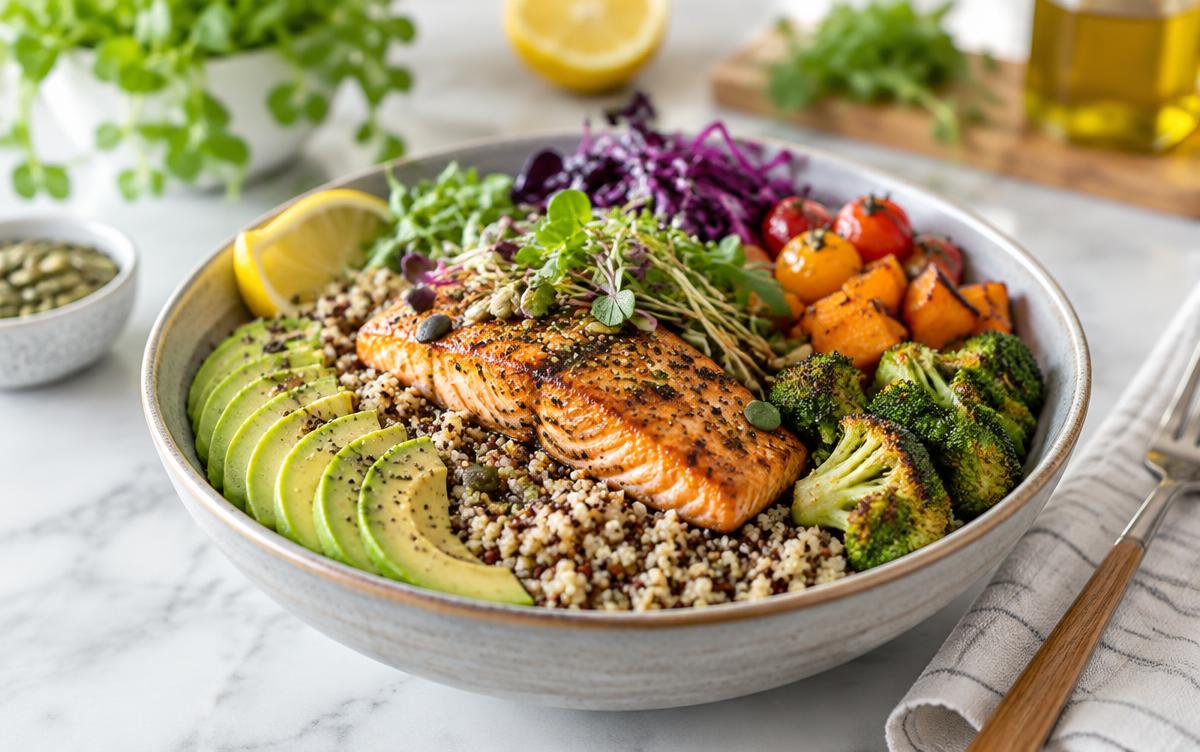
Most of us know the feeling of clearing an empty dinner plate only to find ourselves wandering back toward the kitchen an hour later. It is rarely a matter of willpower. More often, it is simply because the meal was front-loaded with quick-burning starches and light on the one nutrient that commands sustained attention from your digestive system: protein. When you build dinner around solid protein foundations, satiety stops being a gamble and becomes the default outcome.
Why Protein Changes the Timing of Hunger
Protein takes significantly more time and mechanical effort for the body to break down than simple carbohydrates. When protein enters the stomach, it prompts a steady release of amino acids into the bloodstream, blunting the rapid blood sugar spikes that lead to sudden crashes. It also stimulates the production of satiety hormones while simultaneously lowering ghrelin, the hormone responsible for signaling hunger. You do not need to track grams or log numbers into an app to feel the difference. When a plate contains an adequate, focused portion of protein, the urge to graze after dinner quietly falls away.
Stacking Sources for Higher Density
One common misconception is that a filling meal requires a single, massive cut of meat. In reality, some of the most satisfying dinners combine two or three moderate protein sources. Consider a shallow bowl of black beans simmered with garlic, topped with a fried egg and a light sprinkle of crumbled cotija cheese. Or a grain bowl where leftover baked salmon shares space with steamed edamame and toasted sesame seeds. Stacking modest amounts of complementary proteins makes a dish far more interesting to eat, stretches whatever cuts you have in the fridge, and raises the total nutritional floor of the meal.
The Supporting Role of Fat and Fiber
Protein cannot carry the fullness equation entirely on its own. It needs fiber and dietary fat to complete the circuit. Fiber adds physical volume and slows transit time through the gut, while fats trigger the chemical signals in the brain that register deep nourishment. A plain chicken breast eaten over white rice will digest much faster than that same chicken served alongside roasted broccoli, a drizzle of olive oil, and a small handful of toasted pumpkin seeds. When you survey your plate, check for this basic triad: a clear protein anchor, roughage for volume, and just enough fat to carry flavor and delay digestion.
Using What Is Already in the Pantry
High-protein dinners do not demand specialty ingredients or complicated meal prep. Most kitchens already hold high-yield staples that can transform an ordinary plate into something durable. Canned chickpeas, brown lentils, sardines, extra-firm tofu, and Greek yogurt all pack serious staying power into low-maintenance packages. A can of cannellini beans mashed with warm olive oil, garlic, and black pepper creates a rich, protein-dense base for wilted greens or seared vegetables. Eggs keep for weeks in the carton, ready to be poached over warm grains or scrambled into leftover roasted squash.
Rethinking Your Dinner Templates
Instead of deciding what cuisine you want to cook on a given evening, start by identifying your protein anchor. If you have leftover roast pork, shred it into a skillet with shredded cabbage, soy sauce, and a couple of beaten eggs. If you have half a block of firm tofu, cube it, sear it until crisp in a hot pan, and toss it with frozen peas, peanut butter, lime, and warm brown rice. Shifting your kitchen habits toward an anchor-first mindset eliminates decision fatigue. You locate the protein, build outward with vegetables, and finish with a simple fat to bind everything together.
Eating meals that keep you full through the night is not about restriction or complex rules. It comes down to giving your body food that requires genuine time to process. The next time you open the refrigerator at the end of a long day, look past the rapid fixes and find the components that offer real staying power.