
How to Shop for the Kitchen You Actually Have
A practical guide to buying only what you will eat, avoiding supermarket traps, and saving real money.
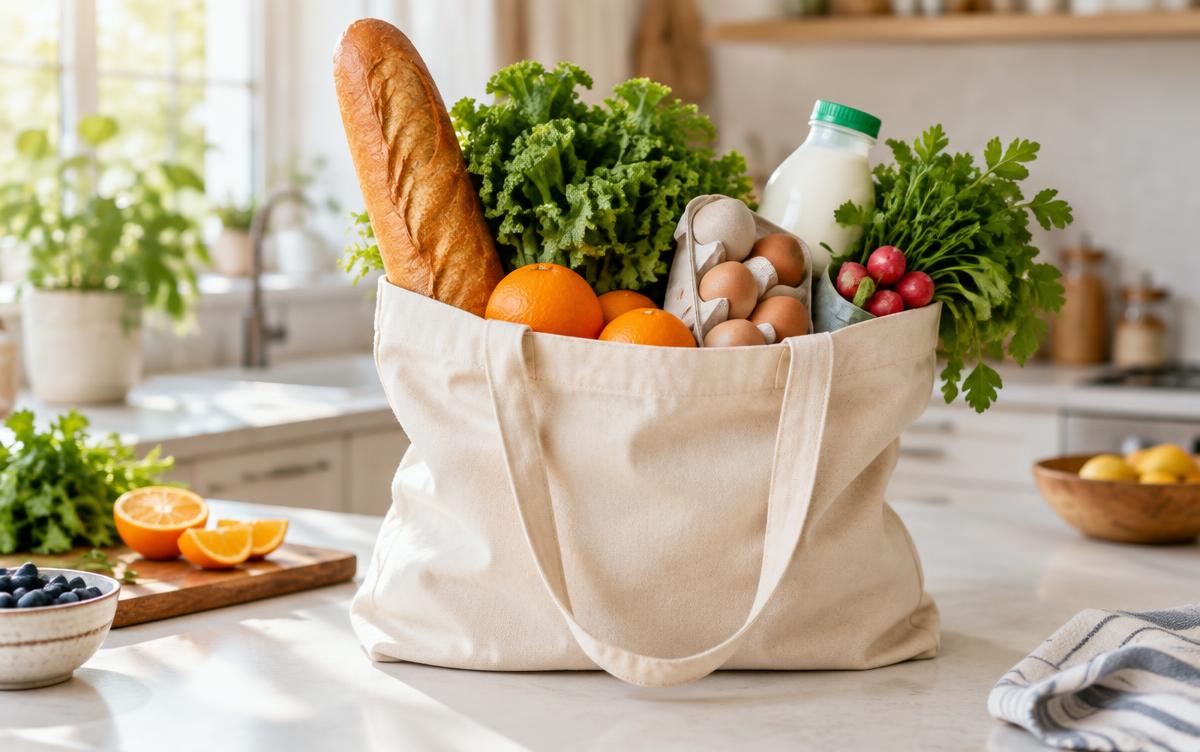
Most grocery trips go wrong before you ever set foot in the store. You write a list based on meals you hope to cook, walk through brightly lit aisles with an empty stomach or a distracted mind, and return home with bags full of good intentions. A week later, half of those ingredients are pushed to the back of the crisper drawer, slowly softening into guilt. Changing how you shop does not require extreme couponing or hours of rigid meal prep. It simply requires shifting your perspective from buying for an imaginary week to stocking for your actual life.
Audit your shelves first
The single most effective shopping strategy happens in your own kitchen. Before you touch a notepad or make a list, look at what you already own. Most households throw away money simply because they lose track of what sits in the back of the freezer or behind the cans of beans. Take three minutes to scan your pantry, fridge, and spice drawer. When you know you already have half a bag of lentils, two shallots, and an open carton of vegetable broth, your store run becomes about completing an existing meal rather than inventing a new one from scratch.
Buy components, not rigid recipes
Shopping for hyper-specific recipes often leaves you with strange leftover ingredients. If a recipe calls for two tablespoons of heavy cream, a stalk of lemongrass, and a niche spice blend, you spend twelve dollars on specialty items you might never use again. Instead, learn to shop for flexible building blocks: robust greens, sturdy grains, a few versatile proteins, lemons, garlic, and onions. These foundation pieces give you room to improvise on Wednesday night when you are tired. When your kitchen contains modular parts rather than single-use ingredients, dinner comes together faster.
Understand supermarket geography
Supermarkets are designed to encourage unplanned spending. End caps—the displays at the end of each aisle—are prime real estate rented by brands to catch your eye, and they rarely hold the best deals. The most nutrient-dense, least processed foods sit around the perimeter: fresh produce, dairy, fish, and meat. The center aisles contain the convenience items and packaged goods that silently inflate your grocery bill. Stick to the perimeter for the bulk of your cart, and enter the middle aisles with a specific target in mind, such as dry beans, olive oil, or whole grains. Once you grab what you came for, step back out.
Beware the illusion of bulk savings
A large clamshell of spinach might cost only fifty cents more than a tiny six-ounce bag, but it is only a bargain if you eat it before it turns to dark liquid. Food that goes in the trash carries a hundred percent financial loss, no matter how cheap it was per ounce. Be honest with yourself about your household's actual consumption pace. Save bulk purchasing for shelf-stable staples like rice, rolled oats, dried pasta, and canned tomatoes. For perishables like herbs, berries, soft cheeses, and leafy greens, buy only what you have a definitive plan to eat over the next few days.
Keep a running buffer for spontaneous meals
Over-planning is just as risky as under-planning. If you buy groceries for seven distinct home-cooked dinners, you set yourself up for wasted food the moment an unexpected late meeting, a friend's invitation, or plain exhaustion disrupts your schedule. Plan for four or five dinners at most. Leave two nights entirely open for leftovers, pantry improvisation, or takeout. This buffer relieves the pressure to cook every single night and ensures you finish the food you already paid for before bringing home another round of groceries.
Smart grocery shopping is less about restriction and more about attention. When you build the habit of taking stock of what you own, buying adaptable ingredients, and leaving space for real life, the store stops being a place of stress. You spend less, eat better, and bring home only what you will actually enjoy.