

Making Humble Ingredients Taste Remarkable
Great meals rarely depend on luxury ingredients; they depend on a few simple techniques that draw out deep flavor.
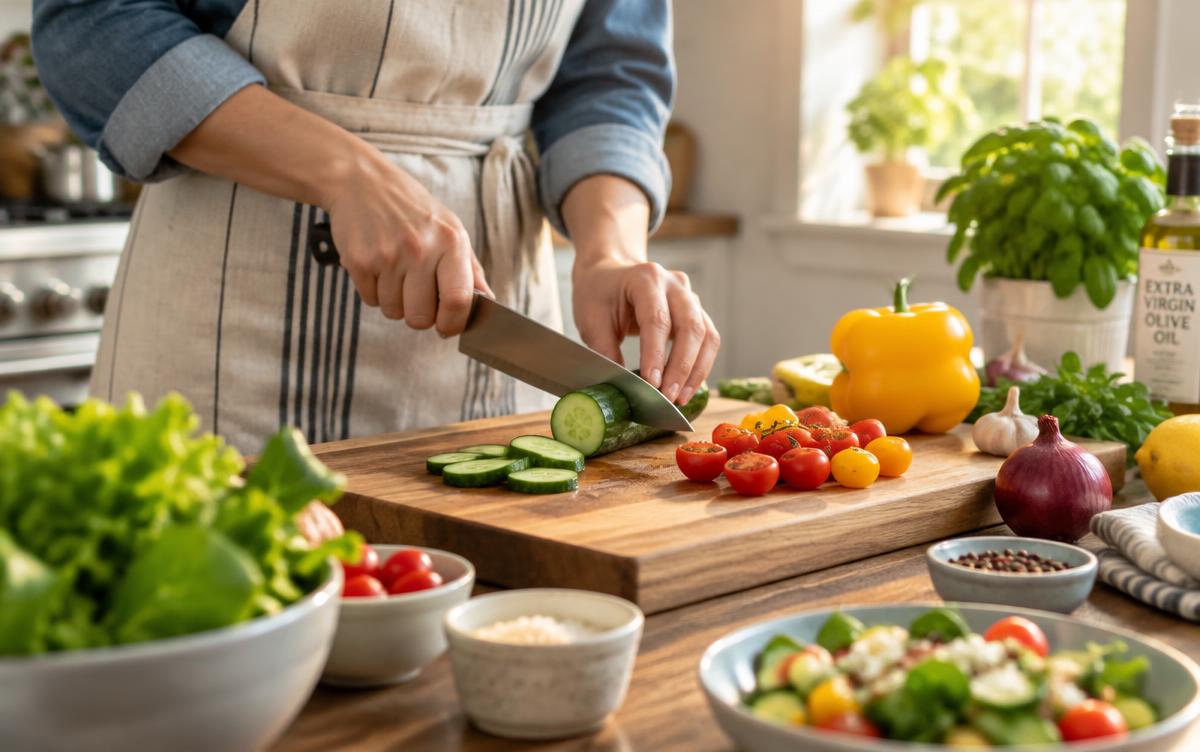
There is a persistent idea that eating well requires specialty groceries, delicate cuts of meat, and imported pantry jars. When the grocery budget tightens, the natural assumption is that dinner must become dull: plain boiled starch, uninspired greens, and repetitive routines. In reality, some of the most memorable cooking in the world came out of necessity. Good food has never been about how much money you leave at the register. It is about understanding how heat, salt, and time transform everyday ingredients into something you actually look forward to eating.
Brown Things Far More Than You Think
Browning is free flavor. The chemical process that happens when food meets high heat creates hundreds of new aroma compounds that do not exist in raw or lightly simmered ingredients. If your roasted vegetables or sautéed greens taste flat, they are likely just undercooked.
Cut a head of green cabbage into thick wedges, drop them into a hot pan with a splash of oil, and leave them alone until the cut sides turn deeply caramelized, almost charred. That bitterness turns sweet and complex. The same applies to humble vegetables like onions, carrots, and mushrooms, and even canned chickpeas. Give them space in the pan, resist the urge to stir constantly, and let the heat build a crust. It gives cheap ingredients the kind of savory depth usually associated with slow-braised meats.
Let Acid and Fat Do the Heavy Lifting
When a dish feels like it is missing something, people often reach for more salt or an expensive seasoning blend. Nine times out of ten, what the food actually needs is either acid or fat.
Fat carries flavor across your palate and gives simple dishes a satisfying weight. A knob of butter stirred into braised beans, or a generous pour of olive oil over steamed potatoes, changes the entire experience of the meal. Acid does the opposite: it cuts through heaviness, sharpens muted flavors, and makes food taste fresh. You do not need aged balsamic vinegar for this. A standard bottle of red wine vinegar, rice vinegar, or a single lemon will do the job. A splash of acid right before serving will lift a simple lentil stew or vegetable hash instantly.
Treat Grains and Legumes as Canvas, Not Filler
Dried beans, lentils, and grains are the backbone of thrifty eating, but boiling them in plain water with a pinch of salt ensures they stay boring. The secret is building flavor into them while they cook.
Simmer your beans with whatever aromatic scraps you have: an onion half, a smashed garlic clove, a bay leaf, or a piece of Parmesan rind kept in the freezer. Cook rice in stock, or toast the dry grains in oil with garlic and cumin seeds before adding water. When the base carries its own distinct savory character, you do not need much else on top to make a complete, deeply satisfying plate.
Add Contrast to Avoid Texture Fatigue
Budget cooking often leans soft. Soups, stews, casseroles, and grain bowls all share a similar texture, which is the main reason cheap meals can feel monotonous after a couple of days. The antidote is texture contrast.
Stale bread torn into pieces and fried in oil with a pinch of salt creates crunchy croutons that turn a simple pureed soup into dinner. A handful of toasted sunflower seeds adds bite to braised greens. Thinly sliced raw cabbage or quick-pickled red onions bring a crisp snap to a bowl of beans and rice. These small additions take almost no time and cost pennies, but they give your brain the variety it craves in a good meal.
Rely on Punchy Finishes
You do not need an entire cart of specialty items to make food exciting. You just need one or two assertive elements that you can use across multiple meals.
A spoonful of coarse mustard whisked with oil and vinegar, a homemade chili oil made from red pepper flakes and hot neutral oil, or plain yogurt mixed with garlic and lemon can tie loose ingredients together into a cohesive dish. Roasted squash and white beans are unremarkable on their own. Drizzle them with garlic yogurt and a spoonful of toasted spiced oil, and you have something worthy of a restaurant.
Eating well on a smaller budget is not about deprivation or forcing yourself through joyless meals. It is simply an invitation to pay closer attention to how you cook. When you rely on technique instead of expensive packaging, your kitchen becomes a far more resourceful, creative place to be.