

Rethinking the Weekly Supermarket Run
Small shifts in your grocery routine can lighten your environmental footprint without complicating dinner.
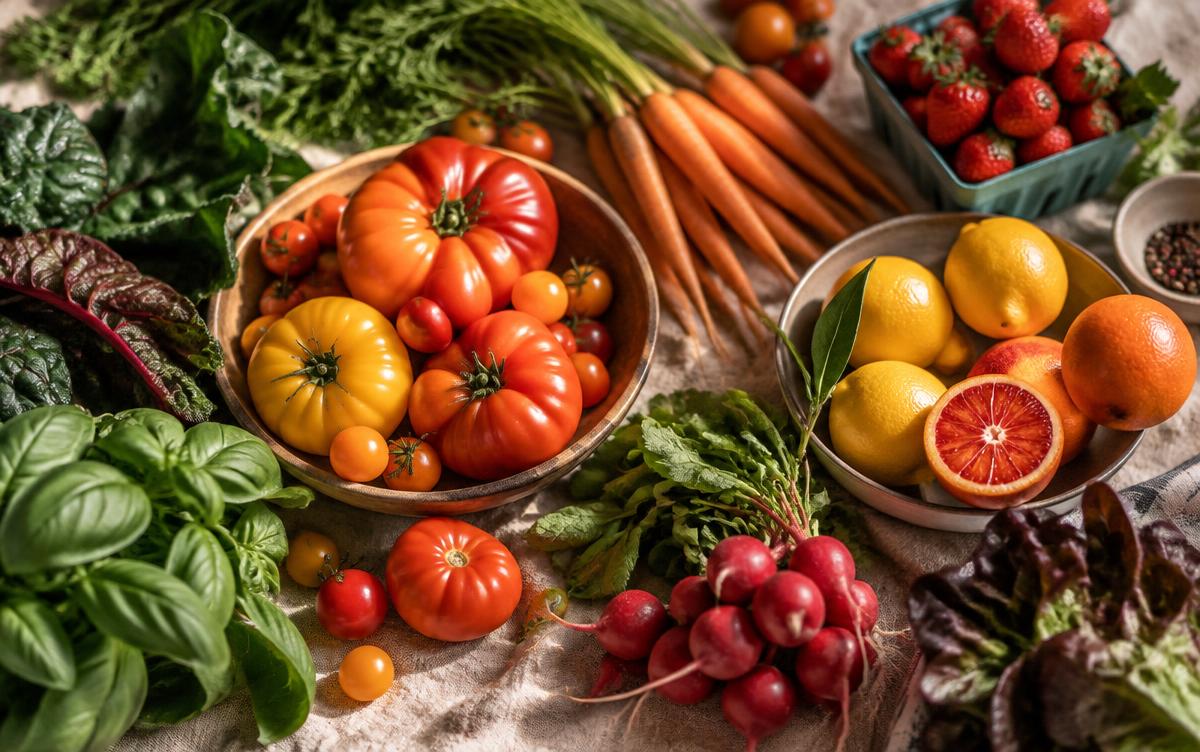
Most conversations about sustainable eating center on what you need to cut out. We are told to avoid certain packaging, eliminate entire food groups, or buy only certified heirloom produce from specialty growers. While well-intentioned, this mindset turns grocery shopping into an endurance test of guilt. A more durable approach to sustainability focuses less on perfection and more on the routine rhythm of how you buy, store, and cook everyday meals.
The Myth of the Perfect Organic Haul
It is easy to assume that choosing an organic label wrapped in three layers of rigid plastic is better than a loose head of cabbage from a conventional farm. In reality, food systems are complex. The carbon cost of transport, heavy packaging, and cold storage often outweighs the narrow definition of an organic badge. Real sustainability at the checkout counter is usually much quieter. It looks like choosing loose carrots instead of pre-peeled baby carrots in a bag, picking the squash grown in your regional climate, or buying grains from the bulk bin. These choices reduce packaging waste and support shorter supply chains without demanding a specialty grocery budget.
The Rhythm of Buying Less, More Often
For decades, the standard advice has been the big weekly grocery haul. You load up a deep cart on Sunday, fill the trunk, and pack the refrigerator until nothing fits. By Thursday, leafy greens in the crisper drawer turn dark and wet, hidden behind jars and milk cartons. Supermarket volume discounts encourage this overbuying, but food that ends up in a landfill negates any savings at the register. Shifting to smaller, more frequent trips—or simply planning two days of perishables at a time—radically lowers what you throw away. When you purchase fresh items for the next forty-eight hours rather than an imagined seven days, you eat fresher food and leave far less behind.
Broadening What You Are Willing to Cook
Modern supermarkets train us to demand uniformity. We look for chicken breasts of identical weight, apples without surface blemishes, and cuts of meat that require zero butchering skill. This demand creates immense upstream waste, where edible food never leaves the packing house because it fails aesthetic standards. Sustainable shopping means showing up with flexibility. Opting for less familiar cuts, bone-in pieces, or slightly irregular produce directly offsets the burden on food producers. Whole heads of broccoli, including the fibrous stems, yield rich soups and stir-fries. Secondary cuts of meat often carry more flavor when braised slowly. Broadening your definition of dinner ingredients creates an appetite for what the food system actually produces.
Looking Inside Before Heading Out
The greenest item in your kitchen is the one you already bought. A sustainable grocery routine always starts at home, before opening a store app or picking up a shopping basket. Taking two minutes to check the crisper, the pantry back row, and the freezer resets your baseline. When you recognize that a lonely bell pepper, half an onion, and a can of white beans can become a substantial stew, you reduce the list of things you need to buy. Tools like Cravin make this easier by taking stock of those loose ingredients and generating clear, immediate meals from what you have on hand. The goal is to view the grocery store as a supplement to what exists in your kitchen, rather than a clean slate you start from scratch every few days.
Sustainability does not require an overhaul of your lifestyle or an endless supply of matching glass jars. It is built quietly, through small habits repeated week after week. When you buy deliberately, welcome imperfect ingredients, and let your existing pantry guide the menu, your kitchen naturally becomes lighter on the planet.