
Shopping for Versatility Instead of Specific Meals
Learn how buying adaptable staples instead of rigid recipe sets makes grocery trips faster, cheaper, and far calmer.
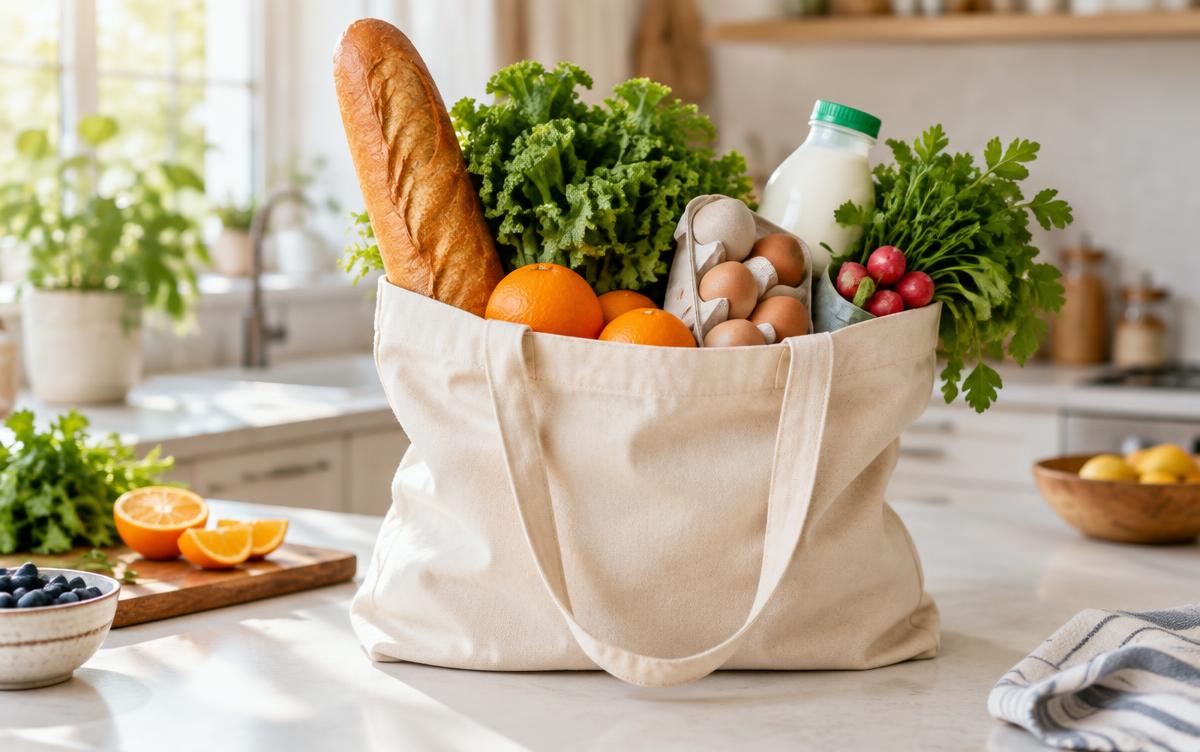
Most grocery trips derail in one of two ways. You either follow three complex recipes to the letter, loading your cart with specialty spices and odd bunches of herbs you will never touch again, or you wander the perimeter picking up items that look fresh, only to discover on Wednesday night that you own six vegetables and nothing that binds them together. There is a quieter, much more reliable middle ground. A truly smart grocery strategy is not about strict discipline or coupon clipping. It is about shopping for components that know how to cooperate under pressure.
Audit Before You Step Outside
The most important part of grocery shopping happens before you grab your car keys or shopping bags. It takes two minutes to open your refrigerator, clear aside the jars, and see what is actually waiting to be eaten. Most kitchens already have the beginnings of three distinct meals sitting in plain sight: half an onion, half a block of cheddar, a can of black beans, or a cup of cooked rice.
Taking inventory first changes the entire psychological weight of the store visit. Instead of shopping to fill an empty void, you are shopping to complete unfinished puzzles. You buy the lime and the tortillas because the beans are already home. You buy the bunch of scallions because the eggs and leftover rice are waiting on the counter.
Shop for Ratios Instead of Specific Recipes
Rigid meal plans are fragile. A late meeting or an unexpected dinner invitation can disrupt a detailed seven-day schedule, leaving perishable ingredients to turn to water in the crisper drawer. A sturdier approach is to buy building blocks according to a simple ratio.
For a few days of dinners, you need a baseline: two reliable proteins, three versatile vegetables, one or two sturdy carbohydrates, and something with acid or crunch. If you think in categories rather than fixed recipes, you can buy whatever looks best at the store. If the zucchini looks tired, you pivot to broccoli without breaking a sweat. When you arrive home, you have ingredients that can easily become a stir-fry, a sheet pan roast, a frittata, or a grain bowl, depending on your energy level.
Stagger the Lifespan of Your Produce
One of the main reasons fresh food ends up in the bin is chronological. People buy a week of produce that all ripens, softens, and spoils at the exact same pace. If your haul consists entirely of baby spinach, raspberries, avocados, and fresh fish, you are entering a race against time the moment you unload your bags.
Balance fast-moving items with steady performers. Buy the tender salad greens, fresh herbs, and soft fruit for the next forty-eight hours. Alongside them, buy the workhorses: cabbage, carrots, sweet potatoes, winter squash, and hearty greens like kale. Cabbage can sit happily in your crisper for three weeks without losing its crunch. If your week gets away from you, the hardy produce waits patiently until you are ready.
Keep the Foundation Completely Predictable
The center aisles of the store are often treated as either a minefield of processed snacks or a boring chore. In reality, a well-curated dry pantry is your safety net. You do not need dozens of novelty condiments, but you do need five or six reliable items you trust implicitly.
A quality olive oil, canned whole tomatoes, dried lentils or chickpeas, a tub of miso paste, and a box of good pasta will rescue almost any evening. When you treat the pantry as a permanent infrastructure rather than an afterthought, a fresh grocery run only needs to supplement what you already have. You buy two leeks and a wedge of parmesan, and dinner is sorted because the pantry handles the rest.
Buy Ingredients That Pull Double Duty
Whenever an item enters your cart, ask yourself if it has at least two plausible destinations. A bunch of cilantro can finish a pot of black bean soup on Monday, and the remaining half can be blended into a yogurt sauce for roasted chicken on Thursday. A tub of Greek yogurt can serve as breakfast with fruit, a marinade base, or a stand-in for sour cream.
Single-use items are the main culprits behind grocery bill bloat and crowded refrigerator shelves. When you train yourself to favor ingredients that play multiple positions on the field, your cooking becomes both simpler and more cohesive throughout the week.
Walking through the supermarket should feel less like a test of memory and more like assembling a toolkit. When you shop with adaptability in mind, you spend less time second-guessing your list, spend less money at the register, and come home to a kitchen that is always ready to make dinner work.