

Techniques That Make Every Meal Faster to Cook
Speed in the kitchen is not about chopping quickly; it comes down to heat, surface area, and smart sequencing.
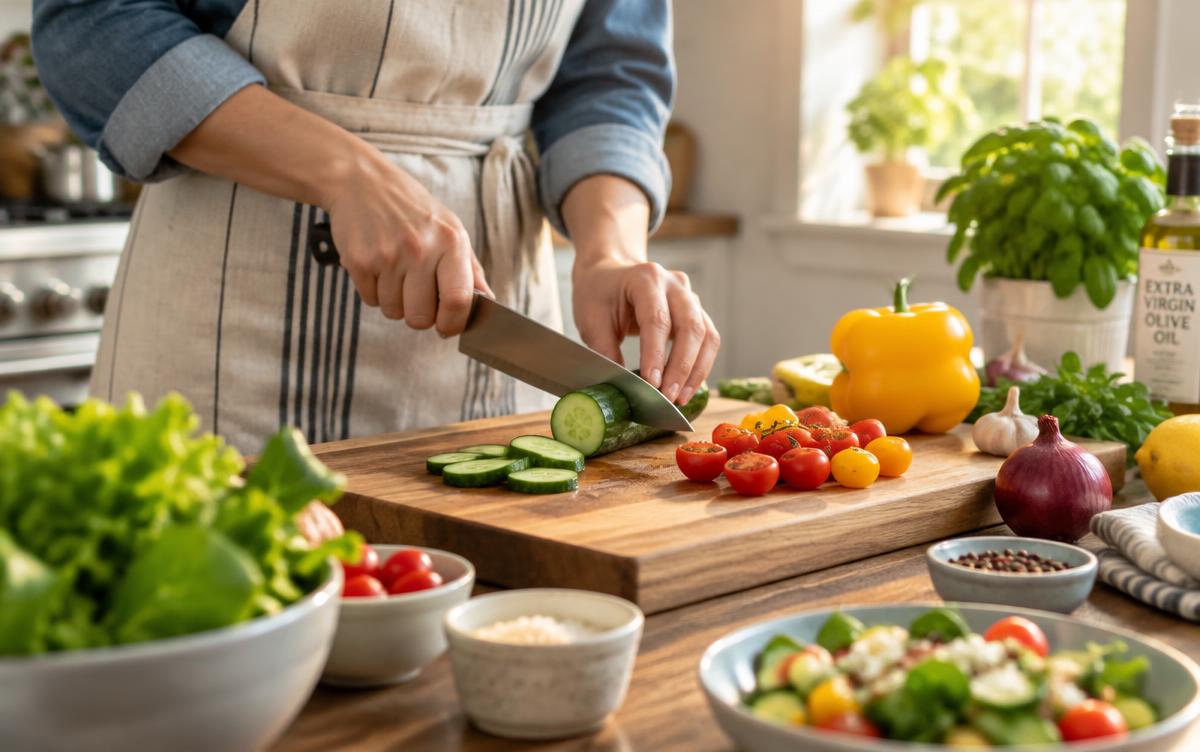
Most people think cooking faster requires moving like a contestant on a culinary game show, slicing onions at lightning speed and darting between appliances. In reality, speed at the stove comes down to physics and sequence. Professional cooks do not rush their hands. They set up conditions that allow heat and gravity to do the heavy lifting while they focus on the next move. When you understand a few foundational mechanics, you can shave substantial time off dinner without sacrificing flavor or risking a fingertip.
Choose surface area over depth
The shape of your cookware directly dictates how long dinner takes. Deep pots trap moisture, which creates steam and lowers cooking temperatures. That is ideal for braising, but counterproductive on an ordinary evening when you want dinner on the table in twenty minutes. If you want vegetables to caramelize or proteins to brown, give them room to breathe in a wide skillet or on a broad sheet pan.
The same principle applies to how you cut your ingredients. A whole chicken breast takes twelve to fifteen minutes to cook through in a skillet, and the thicker end often dries out while waiting for the center to finish. Slice that same breast into thin cutlets or bite-sized strips, and it cooks thoroughly in three to four minutes. Thinner cuts mean more contact with hot metal, faster heat transfer, and far more flavorful surface browning.
Turn on the heat before you pick up the knife
The most common mistake home cooks make is preparing every single ingredient before turning on a burner. Unless you are making a delicate stir-fry that cooks in ninety seconds, true restaurant-style mise en place is an inefficient use of time at home. Pans take several minutes to heat properly, and water takes even longer to reach a boil.
Start your heating elements immediately. Put the skillet on medium-low or get the salted water going before you touch a cutting board. By the time your aromatics—like onions, garlic, or ginger—are roughly chopped, the pan is hot and ready for oil. While those aromatics soften in the pan, chop the harder vegetables, such as carrots or peppers. While those cook down, prepare your greens and herbs. Cooking in stages keeps food moving forward continuously instead of creating long pauses between prep and fire.
Use a lid to cheat the clock
Water conducts heat far better than dry air. When you sauté denser vegetables like broccoli florets, green beans, or sliced potatoes, they often begin to scorch on the outside long before they become tender inside. The instinctive reaction is to turn down the heat and wait, adding ten minutes to your cooking time.
Instead, keep the heat medium-high, toss the vegetables in a bit of fat to develop color, then splash in two tablespoons of water, stock, or wine and slap a lid on the pan. The liquid instantly flashes into steam, trapping high heat around the food. In ninety seconds, dense stems soften completely. Remove the lid, let the remaining moisture evaporate, and return to browning. You get tender, properly cooked produce in a fraction of the time.
Build sauces directly in the pan
A great meal rarely needs a separate sauce simmering in its own saucepan. Long-simmered sauces have their place, but weeknight cooking benefits from using the fond—the caramelized brown bits stuck to the bottom of the skillet after searing meat or vegetables.
Once your main protein or vegetables finish cooking, transfer them to a plate to rest. Turn the burner to medium, pour in a splash of liquid such as vinegar, broth, wine, or even plain water, and scrape up the fond with a wooden spoon. Let the liquid reduce by half for sixty seconds, kill the heat, and swirl in a pat of cold butter or a spoonful of yogurt. In less than two minutes, using the pan you already dirtied, you create a rich, cohesive sauce that tastes like it took an hour.
Clean during the unattended minutes
Cooking does not end when the food hits the plate; it ends when the kitchen is reset. The feeling of an exhausting dinner usually stems from facing a sink full of bowls, cutting boards, and peelings after you eat.
Every recipe has built-in waiting windows. While an onion sweats for five minutes or a piece of fish sears undisturbed, resist the urge to scroll on your phone. Wash the cutting board, wipe the counter, and put away ingredients as you finish with them. When you train yourself to treat those small pockets of inactive cooking time as cleaning intervals, sitting down to eat also means sitting down to a clean kitchen.
Cooking faster is rarely about moving with haste. It is about understanding how heat works, staging your actions deliberately, and letting your tools do what they were designed to do. Once these adjustments become second nature, dinner shifts from an extended chore into a straightforward, predictable routine.