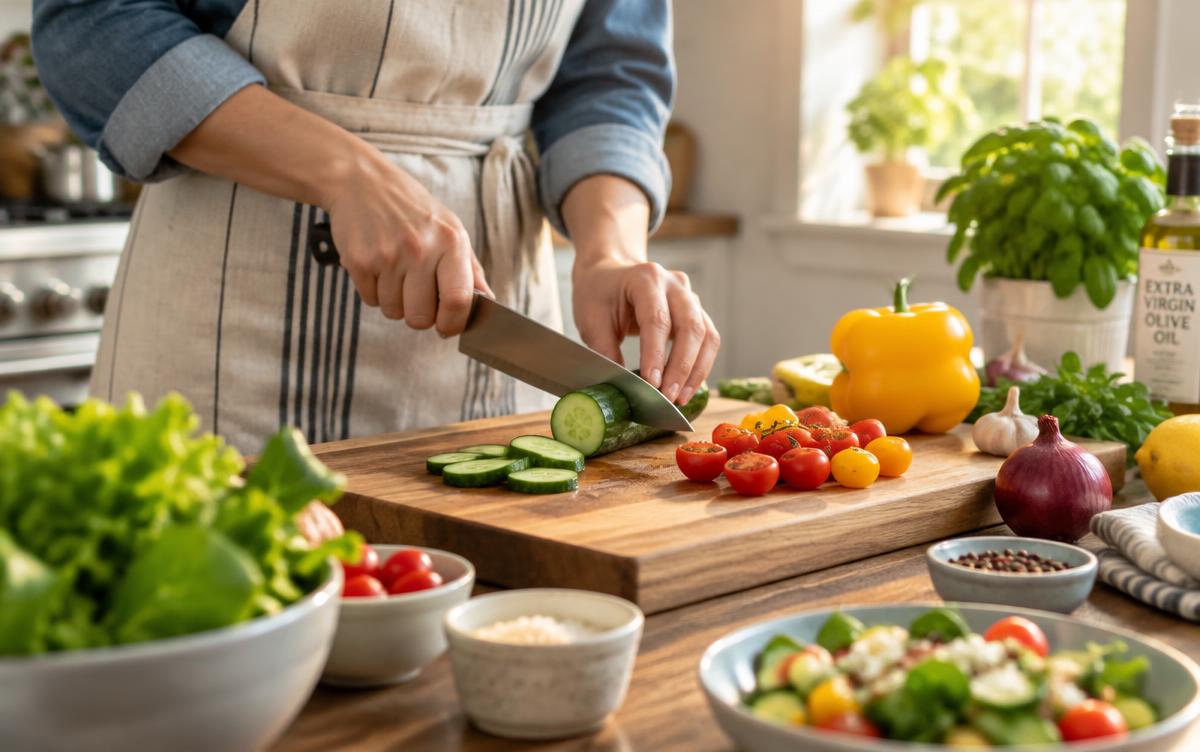

What to Do When Your Groceries Are About to Turn
Learn how small shifts in storage, prep, and perspective keep good food from quietly ending up in the bin.
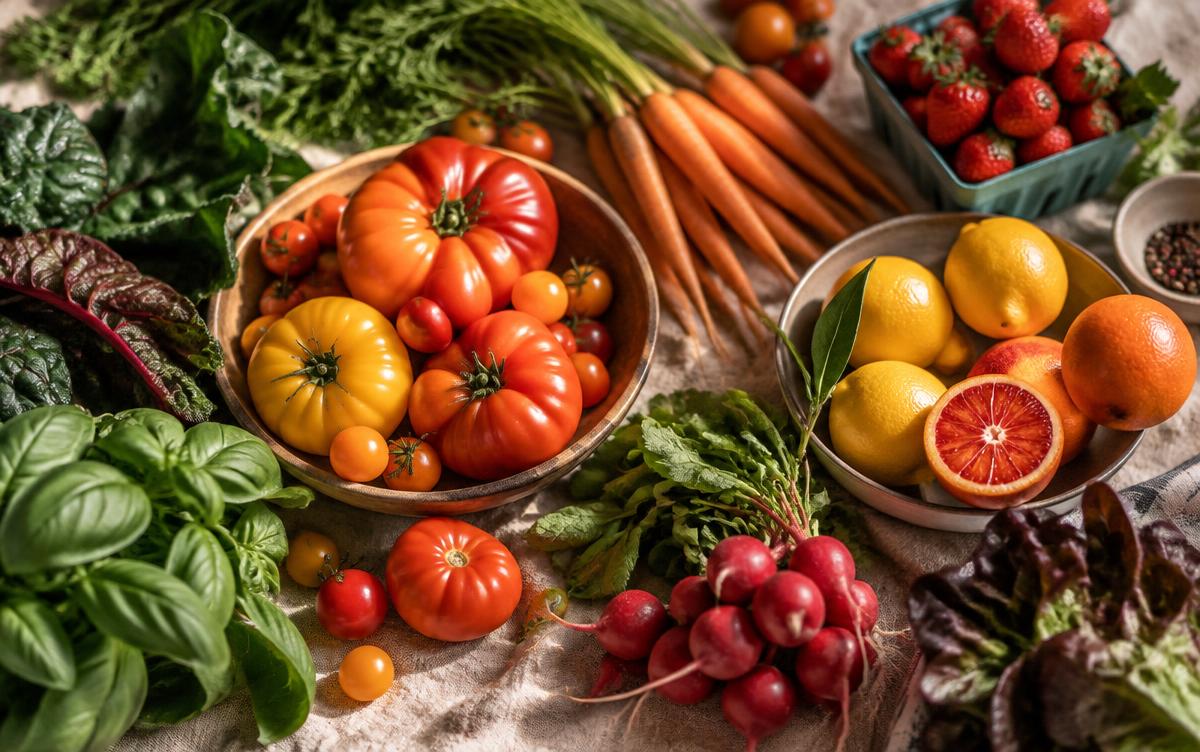
Most food waste at home does not happen out of neglect. It happens because schedules shift, fatigue takes over, and good intentions run into real life. You buy produce with a specific Tuesday dinner in mind, work runs late, you order takeout, and by Friday the scallions are limp and the sour cream has a ring of water on top. Tossing food hurts the wallet and leaves a dull feeling of guilt, but closing that gap rarely requires rigid meal planning. It comes down to understanding how food spoils and having a few reliable habits to catch it in time.
Learn the Real Meaning of Date Labels
One of the most common causes of premature waste is misunderstanding the dates stamped on packaging. Except for infant formula, date labels in grocery stores are not federally regulated safety deadlines. They are manufacturer estimates of peak flavor and texture.
"Best if used by" simply tells you when a product is at its sensory peak. "Sell by" is meant for store clerks managing shelf stock, not for you in your kitchen. Learning to trust your senses will save more food than any gadget. If milk smells sweet and pours smooth, it is safe. If yogurt shows no mold and smells normal, it is fine to eat. The only true danger zones are spoiled meats, visible mold on porous foods like soft breads or soft cheeses, and foul odors. Learn to inspect your food before letting a printed number make the decision for you.
Treat Your Freezer as a Pause Button
Too many freezers serve as long-term storage where ingredients go to be forgotten and eventually freezer-burned. Used properly, the freezer is an active pause button for food you cannot eat in the next twenty-four hours.
The trick is freezing things in portions you can use without defrosting a giant brick. If you only need two tablespoons of tomato paste from a can, dollop the rest onto a parchment-lined plate, freeze the mounds until firm, and toss them into a bag. When a loaf of bread hits day three, slice it and freeze it; bread toasts straight from frozen without any loss in texture. If greens begin to wilt, wash them, chop them roughly, and freeze them flat in a zip-top bag to toss straight into hot soups, curries, or eggs.
Manage Moisture with Care
Moisture is the primary enemy of fresh produce. Too much trapped condensation causes rot, while too little airflow dries things out into leather. The plastic grocery bag is rarely the right long-term home for any vegetable.
For leafy greens, wash them, spin them dry, and store them in a container lined with a clean dish towel or paper towel to absorb stray water. For hearty herbs like parsley and cilantro, trim the stems and stand them upright in a small glass with an inch of water, loosely covered with a bag, like cut flowers. For tender herbs like basil, leave them on the counter at room temperature in water, as cold air turns basil leaves black overnight. Small adjustments in moisture give delicate produce several extra days of usable life.
Build a Rotation of Catch-All Meals
Every confident home cook relies on a handful of meals designed purely to absorb odds and ends. These are dishes with forgiving structures that accommodate whatever needs to be used right now.
A frittata accepts the remaining quarter of an onion, three stray mushrooms, and a handful of fading spinach. A pot of fried rice transforms dry leftover rice, scraps of pork, and the sad ends of a celery stalk into something satisfying in under fifteen minutes. Quick-pickling is another quiet weapon: a cup of warm vinegar, a splash of water, salt, and a pinch of sugar will revive limp cucumbers, radishes, and jalapeños, turning produce on the verge of the compost bucket into a crisp condiment that lasts for weeks.
Shift from Recipes to Ingredients
Most grocery waste stems from shopping for specific recipes rather than cooking from your current stock. When you shop for an intricate recipe, you often purchase ingredients you use once and never touch again.
Try flipping the order. Before going to the market, look closely at what must be used first. Build a dinner around the half-head of cabbage and the open jar of curry paste already sitting on your shelves. When you learn to let the contents of your crisper drawer dictate your dinner rather than an idealized recipe from the internet, your grocery bill drops and your food bin stays empty.
Reducing waste at home is fundamentally a practice of attention. When you begin treating partial ingredients as tomorrow's dinner rather than waste in progress, the kitchen becomes calmer, more efficient, and far more rewarding.